
How to Tell the Difference Between a Pipe Leak and Condensation
Having a trusted plumbing or sewer line services company can be the difference between catching a problem early or panic.
The presence of water whether it’s in the form of a slight dampness in a cabinet under a sink or a slow drip off your basement pipes can cause concern but is it condensation or does it mean there’s a leak? Understanding the difference between pipe sweating and a real leak can save you stress and repair bills.
In this guide, we’ll break down:
Not All Drips Are Leaks
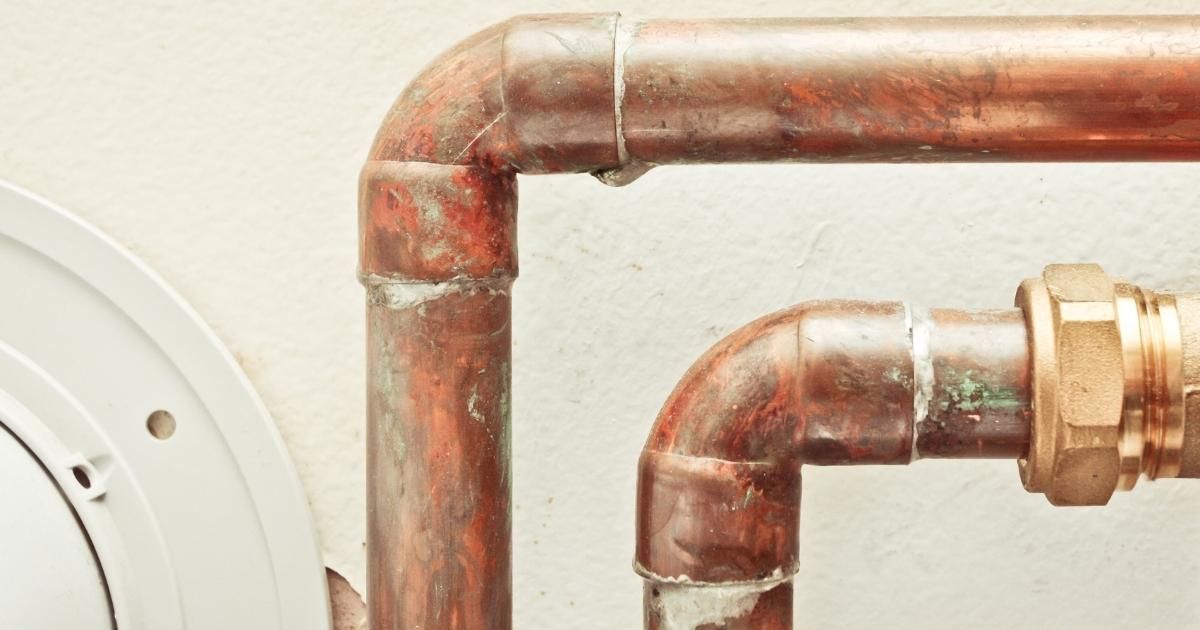
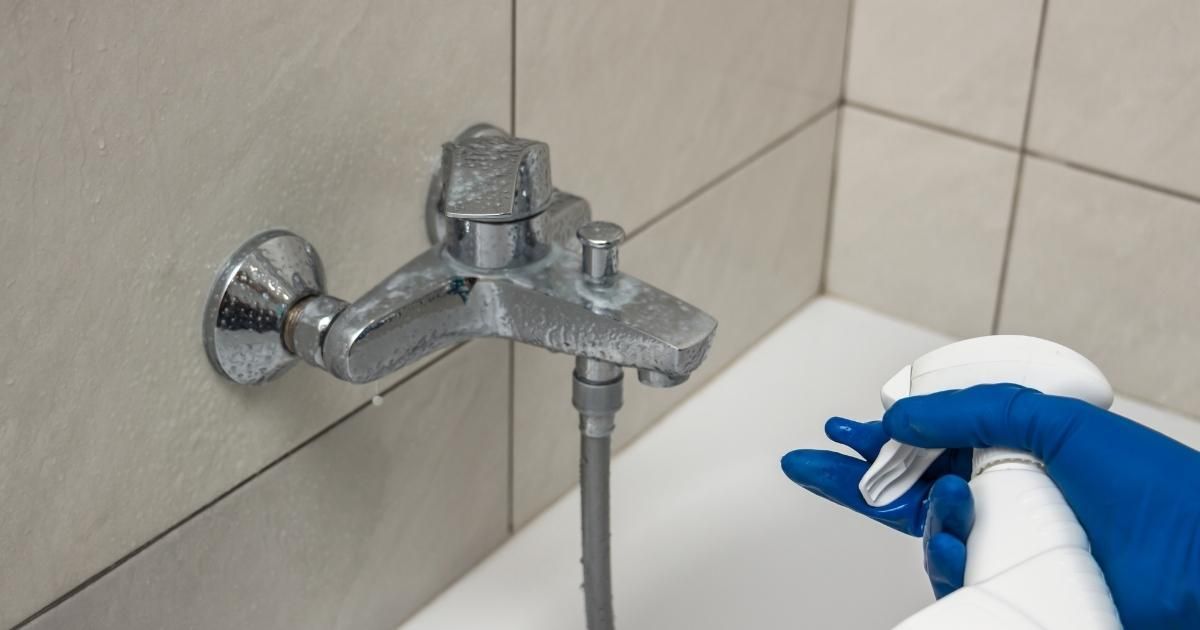
We’ve all seen condensation, on the outside of a cold drink on a hot day. Pipe sweating (also called plumbing sweating) is caused by condensation on the outside of pipes in much the same A pipe leak, on the other hand, means water is escaping from inside the pipe somewhere, be it a split or a failing join and needs repair.
.
Misdiagnosing can lead to unnecessary stress, or worse, damage that gets worse over time.
What Causes Pipe Sweating?
Sweating pipes are more common in summer when warm humid air comes into contact with cold plumbing the result of warm, humid air coming into contact with cold plumbing surfaces but it can also occur in basements where airflow is limited.
Condensation on pipes is most common on copper lines and occurs in bathrooms, basements, laundry rooms, or anywhere moisture and cool plumbing intersect. If you see condensation copper pipes, especially in hot, humid months, it's likely not a cause for alarm. If it pools or puddles and doesn't seem to evaporate, then it's time to take a look or call a professional.
How to Tell If It’s a Leak Instead
Unlike sweating pipes, a leak leaves a more consistent and concerning evidence trail.
Here’s how to tell:
- Consistent dripping that doesn’t vary with temperature or humidity
- Puddles under pipes that don’t dry up quickly
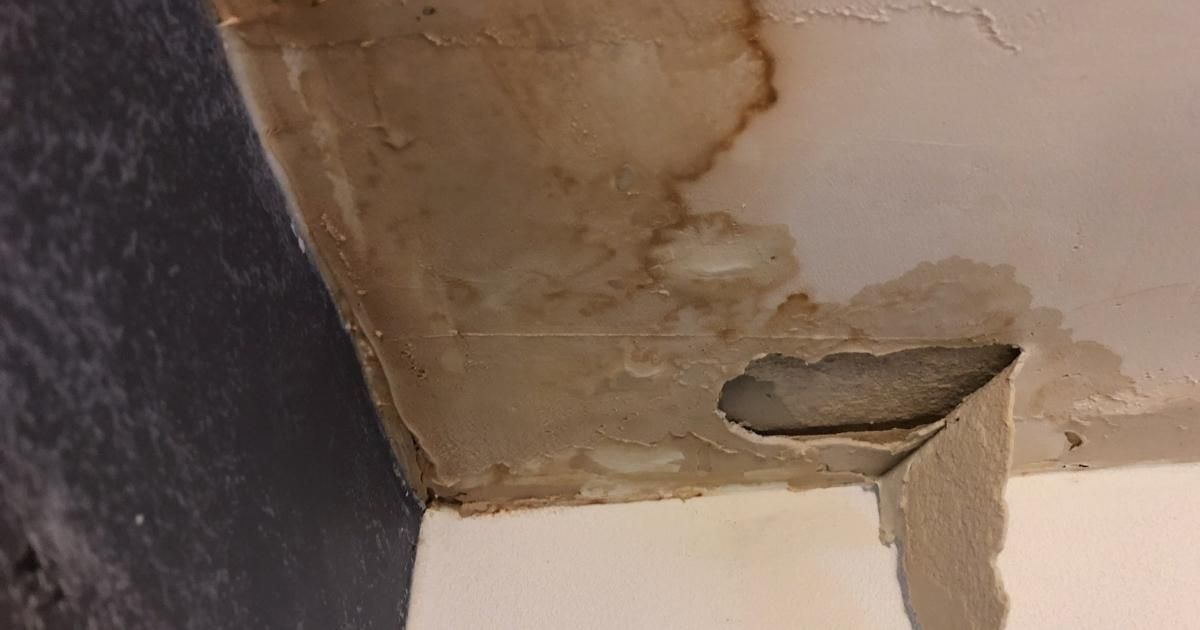
- Water stains on walls, ceilings, or cabinetry
- Musty or moldy smells from damp areas
- Spike in your water bill without increased usage
If a leak is small, it may be hard to tell the difference between pipe sweating or leaking. Leaks will typically worsen over time and may occur even in cool, dry conditions.
What Not to Do About Sweating or Leaky Pipes
There are a lot of ‘quick fixes’ floating around on Google and Reddit which can sound like good ideas but whether it’s plumbing sweating or an actual leak, these ‘fixes’ can end up creating a lot more damage.
Steer clear of these common mistakes:
Myth vs. Reality:
- Duct tape fixes everything — It traps moisture and can worsen rust or corrosion.
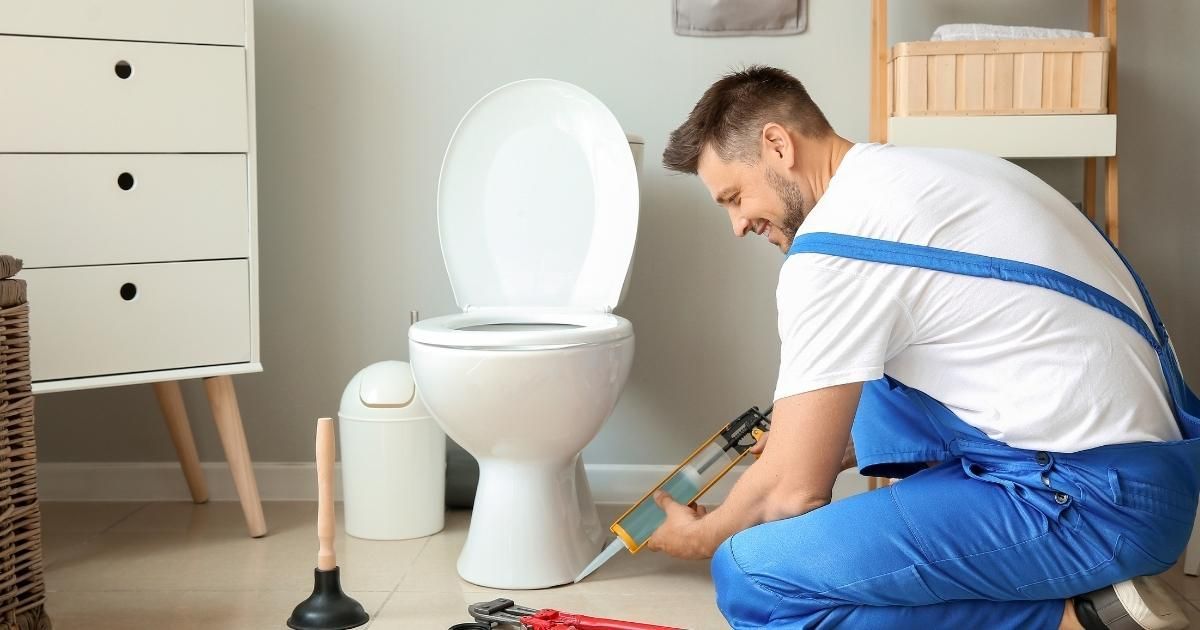
- Caulk or epoxy will seal the drip — These only hide the problem, not fix it.
- DIY soldering is safe — Not only unsafe, it’s ineffective on PVC or hidden pipes.
- Ignore it — it’s probably just condensation — If it’s not, you’re inviting bigger issues.
- Towels under pipes = problem solved — Band-aids don’t work for plumbing.
The best step?
Don’t guess. Have an expert take a look.
How to Fix or Prevent Pipe Sweating and Leaks
Whether it’s condensation on pipes or an internal leak, there are practical, effective solutions to protect your home.
To reduce or eliminate sweating pipes:
- Wrap exposed pipes with foam insulation
- Use a dehumidifier to lower indoor humidity
- Increase ventilation in small or damp rooms
- Seal basement windows or doors to reduce moisture entry
For actual leaks:
- Identify the exact source not just the drip
- Turn off your water supply if dripping increases
- Avoid DIY attempts
- Call in a licensed plumber for safe, permanent repair
Know the Difference and Stay Ahead of Problems
When it comes to plumbing sweating or plumbing leaks, if you're ever in doubt contact a professional plumbing company like Moe's. to prevent water damage overtime. Watch for consistent signs, avoid risky fixes, and don’t let small drips become costly damage.
If you’re in our service area, call Moe’s Plumbing today to assess, fix, or prevent moisture problems before they grow.