
Blog

Learn safe temporary plumbing leak repair steps to slow water damage, protect your home, and know when to shut off the water and call a plumber.

Worried about hidden leaks? Learn the signs of a slab leak Texarkana homeowners should catch early to avoid costly foundation damage. Read more!

Not sure when to get a sewer camera inspection? Learn common warning signs homeowners shouldn’t ignore to prevent costly repairs. Read more!
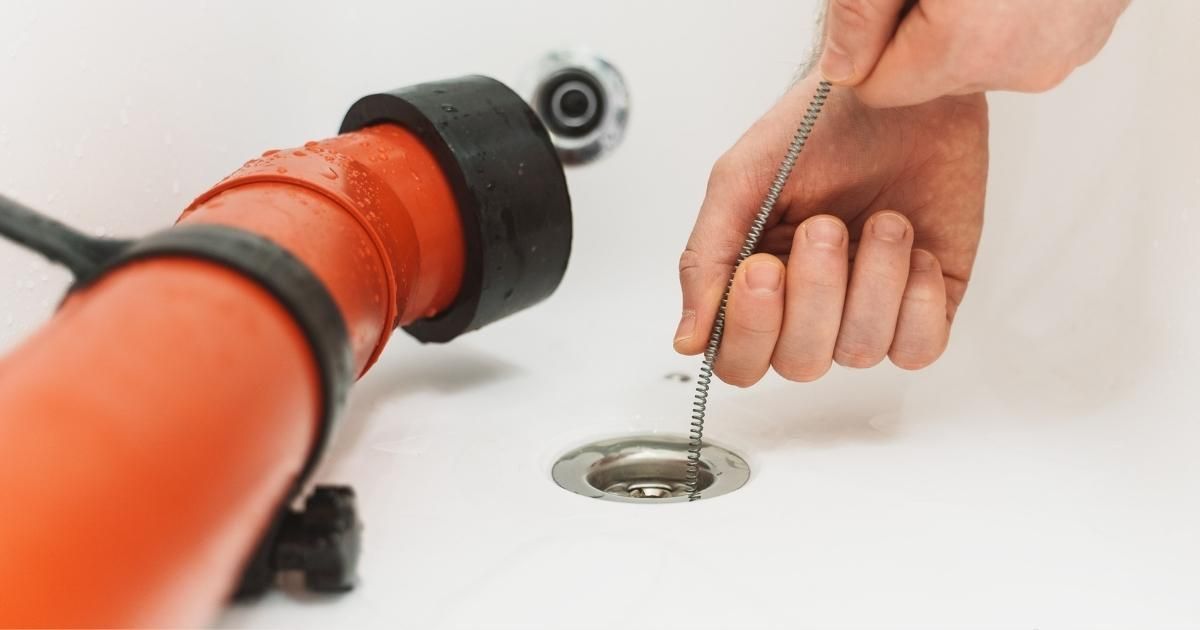
Drain cleaning may be necessary when subtle warning signs show up, such as gurgling toilets, slow-draining tubs, and slow-draining sinks. If you have noticed a capped pipe in your yard or in the basement, you have a direct line to the main sewer line, called a drain cleanout. If multiple plumbing problems occur together, the fixtures are unlikely to be the cause; this indicates an issue with the main line where wastewater exits your home. Homeowners can detect early signs of small clogs in the main line before they become a big mess by understanding what a drain cleanout is and how it works. This post explains what a sewer line cleanout is, how to find it, and how to maintain it. Table of Contents: What is a drain cleanout, and where is it found? Signs your drain needs a cleanout. Can drain cleanouts be DIY projects, or are professionals necessary? Does every home have a cleanout - and where is it?

Bio-slime (biofilm) causes bathroom sink clogging and that black gunk. Learn safe, simple steps to clear it and prevent it from coming back.
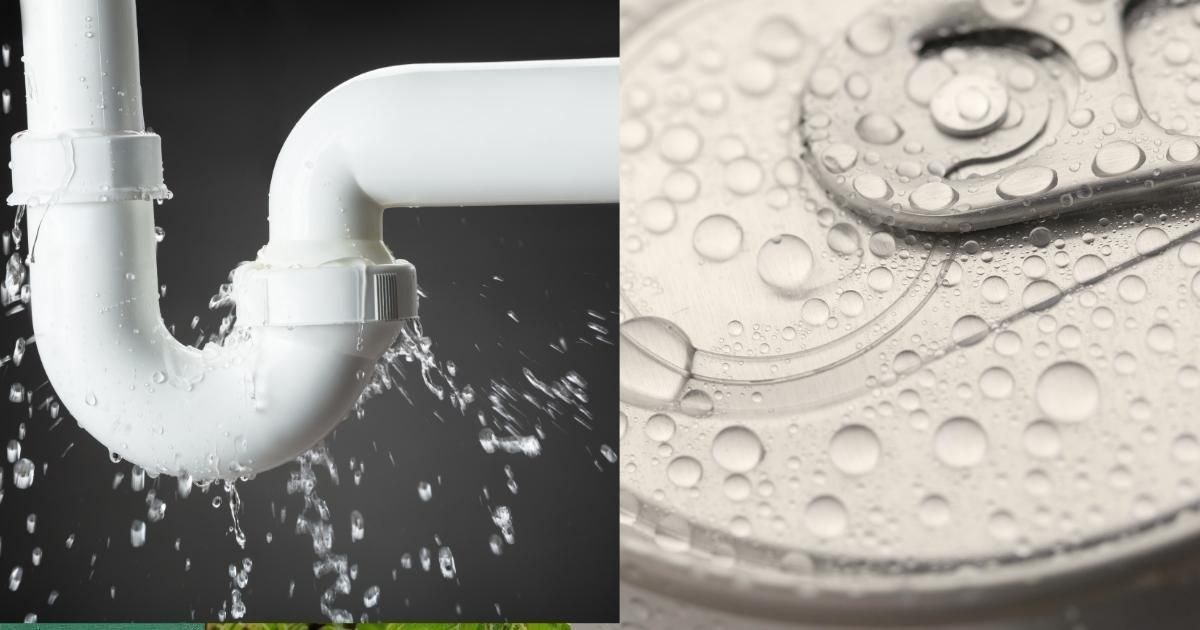
Having a trusted plumbing or sewer line services company can be the difference between catching a problem early or panic. The presence of water whether it’s in the form of a slight dampness in a cabinet under a sink or a slow drip off your basement pipes can cause concern but is it condensation or does it mean there’s a leak? Understanding the difference between pipe sweating and a real leak can save you stress and repair bills. In this guide, we’ll break down: What causes pipe sweating Signs of sweating vs. leaking Common mistakes to avoid How to prevent both issues
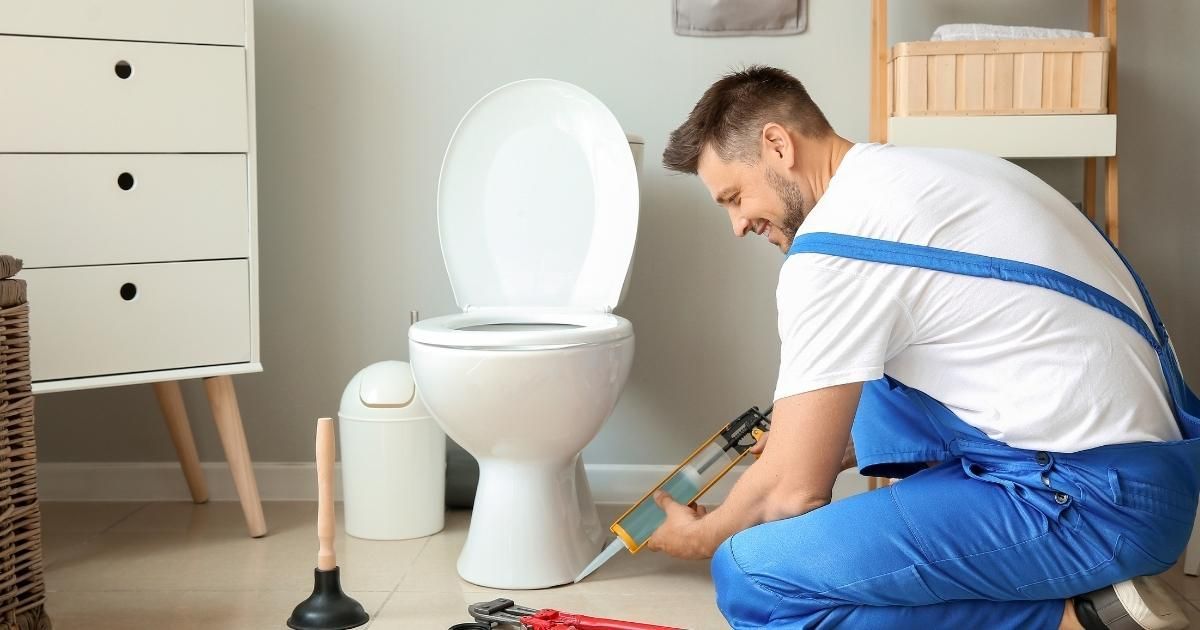
Learn how to tell if your home has a sewer or septic system. Understand the pros, cons, and how each works. Read this guide before calling a plumber!

A small drip can waste thousands of gallons per year. Learn how to fix a leaky faucet yourself — or call Moe’s Plumbing for fast, reliable service.
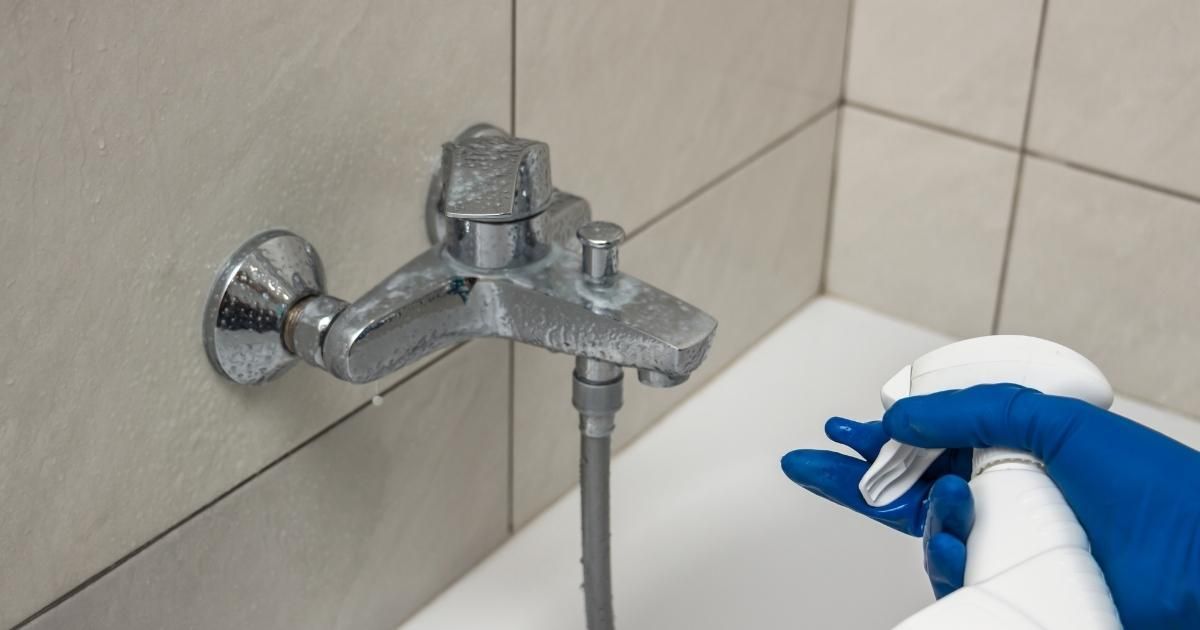
Cloudy, spotty fixtures? Discover safe cleaning strategies for all finishes—from brushed nickel to bronze. Follow our expert guide or call Moe’s Plumbing in Texarkana for help.
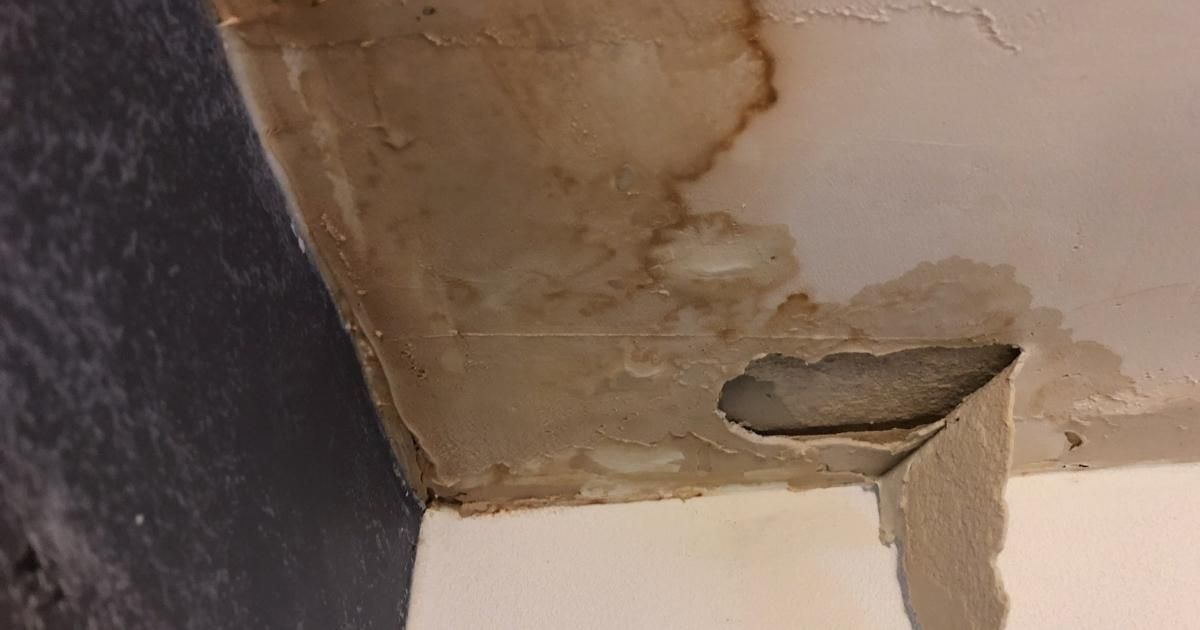
High water bill or suspicious damp spots? Learn how to find hidden water leaks in your home with smart DIY tips — and when to call a Texarkana pro.