
What Is Bio-Slime? Why It Clogs Bathroom Sink Drains (And How to Fix It)
Drain cleaning is rarely top-of-mind until there’s a problem. Slow-moving water and smelly drains are indications of clogged pipes. Especially in bathroom drains, a black, gunky sludge known as biological slime, biofilm, or bio-slime can cause problems. Bio-slime in a sink drain is a sticky film that builds up with normal use - and it will come back to haunt you without regular cleaning. Let’s talk about how to prevent black sludge in drains with a few practical DIY steps.
In this article, we’ll cover:
What Causes That Black Sludge?
Safe Ways to Clean Out a Bathroom Drain
Do Skincare, Hair Products, and Hidden Ingredients Cause Drain Gunk?
Bio-Slime Is a Sticky Biofilm That Traps Gunk and Slows Your Sink
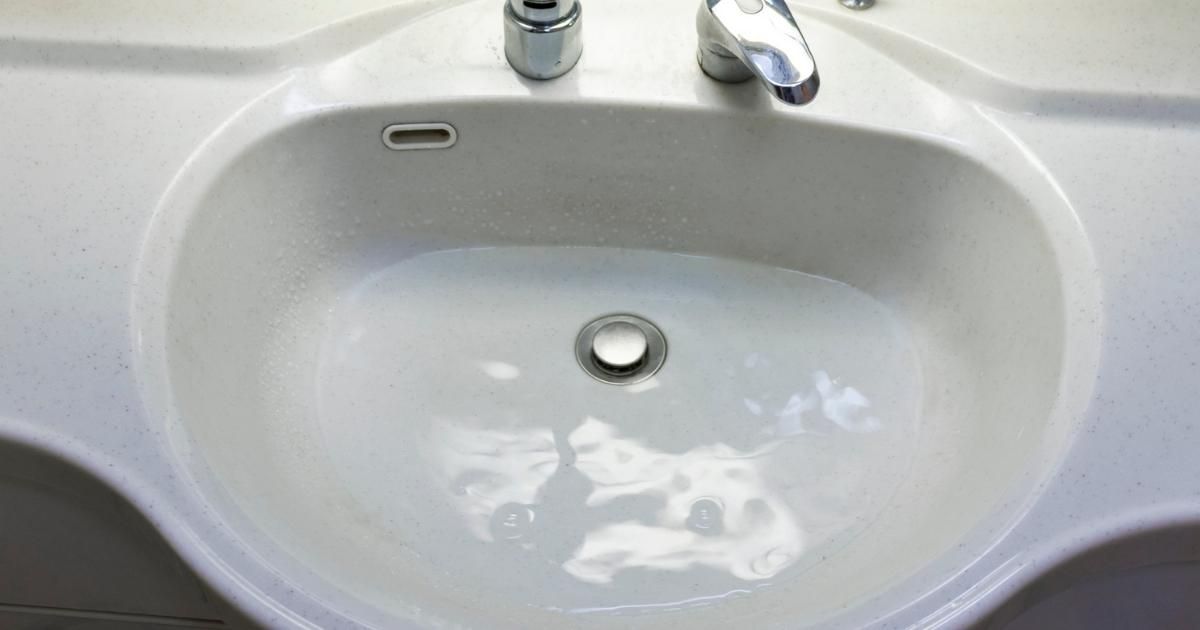
Toothpaste, soap, hair products, skincare oils, and cosmetics are routinely flushed down bathroom drains with everyday use. These combined substances create the perfect cocktail for black sludge that gradually builds up, layer by layer,
leading to clogged drains.. Knowing how to clean the drain in a bathroom sink will keep those stinky layers of biological slime from building up.
What Causes That Black Sludge (and the Smell)?
As the biological slime inside the drains builds up, it creates a perfect environment for bacteria to cling to and thrive. The smell is coming from bacteria growing on the bio-slime; it’s mold in the sink drain pipe. The black sludge is a home for microorganisms that cause musty odors.
Safe Ways to Clean Out a Bathroom Drain
The best way to clean a bathroom sink drain is to remove surface buildup before the black slime has a chance to thicken.
Start by removing the stopper and wiping away any slime you can reach underneath and around the drain opening. It’s amazing how much gunk you can remove with this initial step.
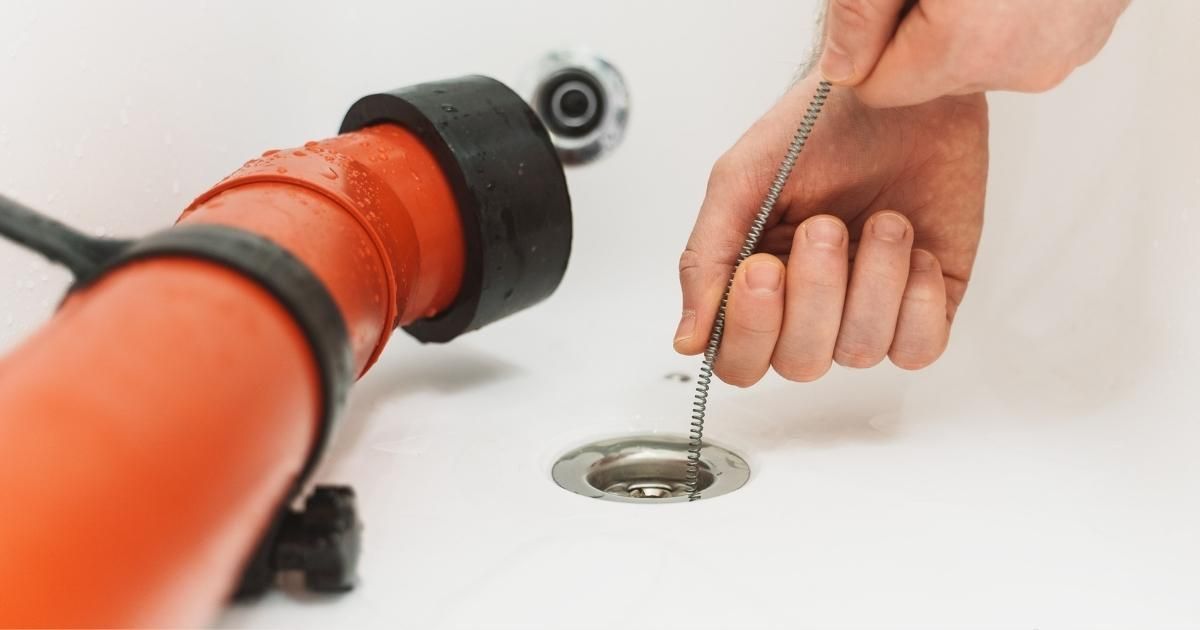
Plastic drain snakes will efficiently remove the collected black slime from the drains below the surface. Follow the instructions on the packaging. Avoid metal snake tools, as they can harm pipes.
Finally, flush the pipes with short bursts of very warm water (not boiling). This will loosen and wash away grease and particles without harming the plumbing.
To maintain bathroom plumbing, enzyme-based cleaners will break down organic material and are helpful when used as directed.
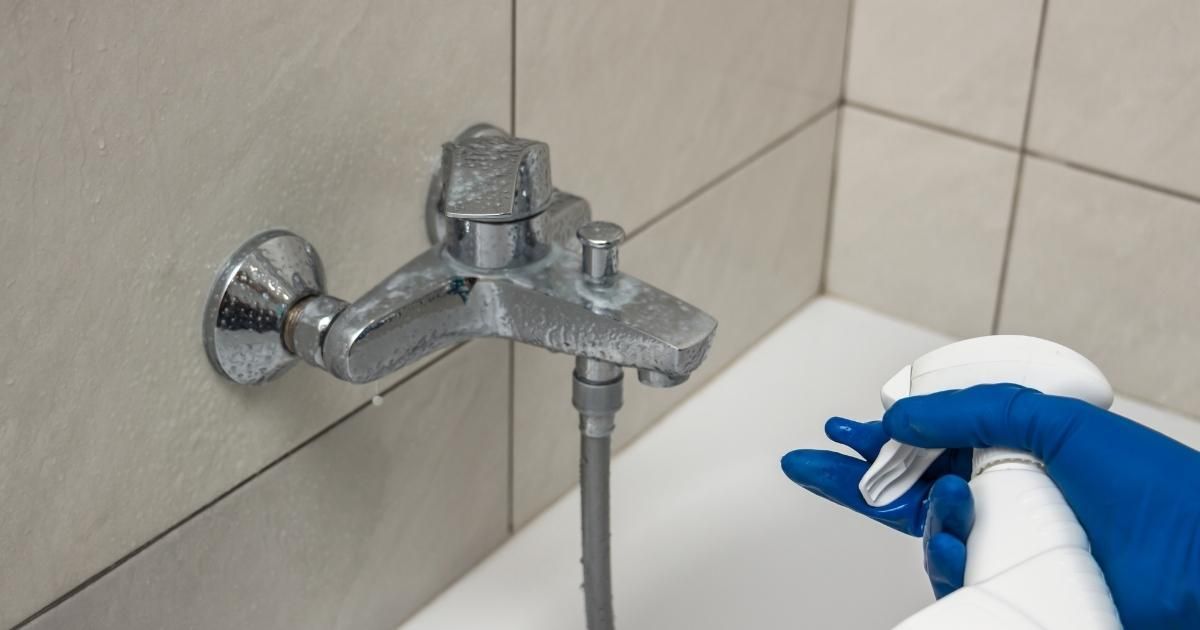
When cleaning the bathroom sink drain, remember to:
- Ventilate the bathroom
- Wear gloves if possible
- Never mix cleaners
- Avoid harsh chemicals; they can damage pipes and worsen odors.
How to Prevent Black Gunk from Coming Back
Daily habits and light maintenance can work wonders for keeping bathroom drains clear and odor-free.
Daily: Be mindful of what goes down the drain. Wipe up excess toothpaste, beard trimming, and heavy skin or hair products when possible. Small preventative measures done daily will make a big difference over time.
Weekly: Flush the pipes with very warm water for 30 – 60 seconds. Remove and clean the stopper to prevent buildup. Use a mesh hair catcher to keep hair out of the drains.
Monthly: Use enzyme-based drain cleaners once a month to remove residue. Remember to catch the sink's overflow opening, as it also collects gunk.
Do Skincare, Hair Products, and “Hidden” Ingredients Cause Drain Gunk?
They do. The personal hygiene products we use every day do not fully rinse away. They leave trace amounts of their coats behind with each use. The oils, waxes, balms, and silicones (such as dimethazone), clays, or charcoal ingredients in our products will cling to pipe walls. Slowly, your pipes will develop a thicker layer of bio-slime that attracts additional particles, encourages mold growth, and becomes stinky.
Habits to prevent bio-slime in the sink drain:
- Wipe excess skincare, makeup, toothpaste, or beard product into a tissue before rinsing.
- Use a mesh hair catcher to keep hair out of the drain
- Flush with very warm water after using heavy products
- Clean the stopper weekly and use enzyme cleaners as monthly maintenance
When foul odors recur, other bathroom drains also become clogged, or when you have standing water after routine cleaning, call in the pros. A professional plumber will safely solve the problem without causing further plumbing problems.
Keep Sinks Moving With Simple Maintenance
Bio-slime in a sink happens, but you can control it. With daily habits and regular maintenance, most homeowners can keep their bathroom drains flowing smoothly. Consistent care will keep the black slime from building up.
When the layers of black slime are too thick, odors remain, or multiple sinks are draining slowly, it’s time to call a professional. Moe’s Plumbing proudly serves Texarkana, AR, and the surrounding areas, with safe, effective drain cleaning solutions that correctly solve the problem.
Have a question or need help now? Call to book a service or use our contact form to reach out to the team. Moe’s Plumbing is always happy to help you get your drains – and your home- back to normal.