
Gas Leaks: How to Spot Them Before They Spot You
Natural gas is part of our everyday lives, powering furnaces, gas stoves, and even clothes dryers, but with use comes risks, which is why leak detection is crucial. Knowing the potential early warning signs of gas leaks saves you money by reducing waste, it’s key to preventing damage, injuries, or even worse. Let’s dive into the most common warning signs when it comes to detecting gas leaks in a home.
In this post, you will learn:
- The tell-tale gas leak smell.
- Using sound during leak detection.
- The visual signs of a gas leak, like dead plants and bubbling water.
- The physical warning signs of a gas leak.
- What to do if you find a leak.
The Most Common Signs of a Gas Leak
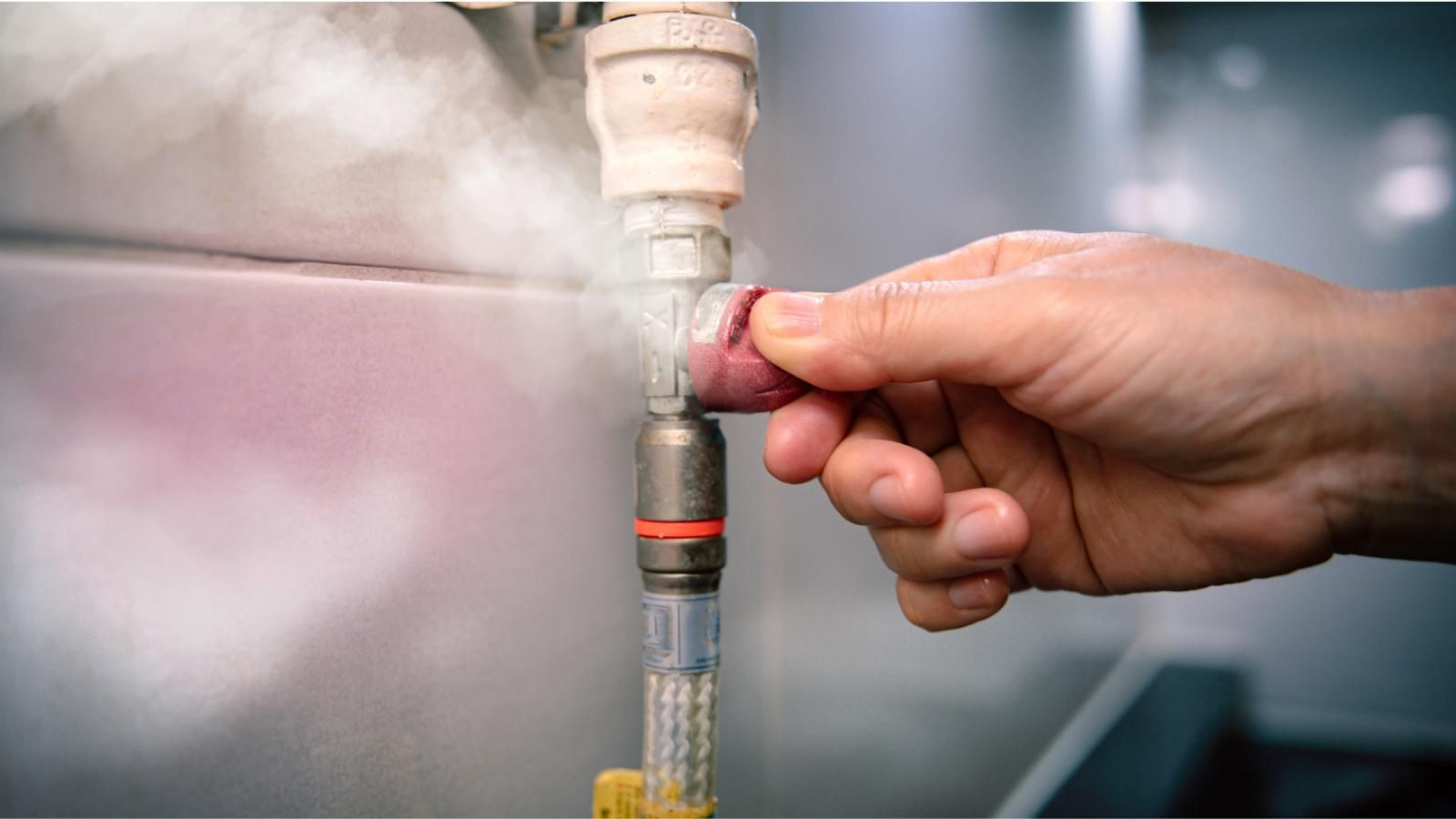
Natural gas starts out colorless and odorless which can make them hard to spot. While some consumer protections are in place, such as additives to give natural gas a distinctive smell, there are other methods for how to detecting gas leaks in a home, including unusual sounds, visual signs, and physical symptoms. Gas leaks can cause property damage, physical injury and even death so detecting leaks early and getting professional assistance to deal with a gas leak can avoid disaster.
The Smell Test – The Rotten Egg Odor
We’ve already covered that natural gas itself is odorless, which is why natural gas distributors add mercaptan (a sulfur-containing compound) to give it that rotten egg smell. If you detect this distinct gas leak smell indoors or outdoors, it’s a clear indication that gas is leaking. If you smell this, inside or outside, first and foremost, move out of the range of the smell as quickly and safely as possible before contacting authorities or your local gas company. Don’t wait around, natural gas leaks can quickly create a dangerous situation from fire risk to personal safety risks to your health.
Unusual Sounds – Hissing or Whistling
If a gas leak is small enough, your nose may not be the first sign you need leak detection. Like air escaping a tire, gas can create a hissing or whistling noise, audible in quiet environments. If you detect this noise near a gas appliance, don’t touch anything, even turning off/on switches or open flames can create a larger risk of injury or fire. Evacuate and immediately contact qualified professionals or authorities.
Visual Clues – Dead Plants & Bubbling Water
Exterior gas
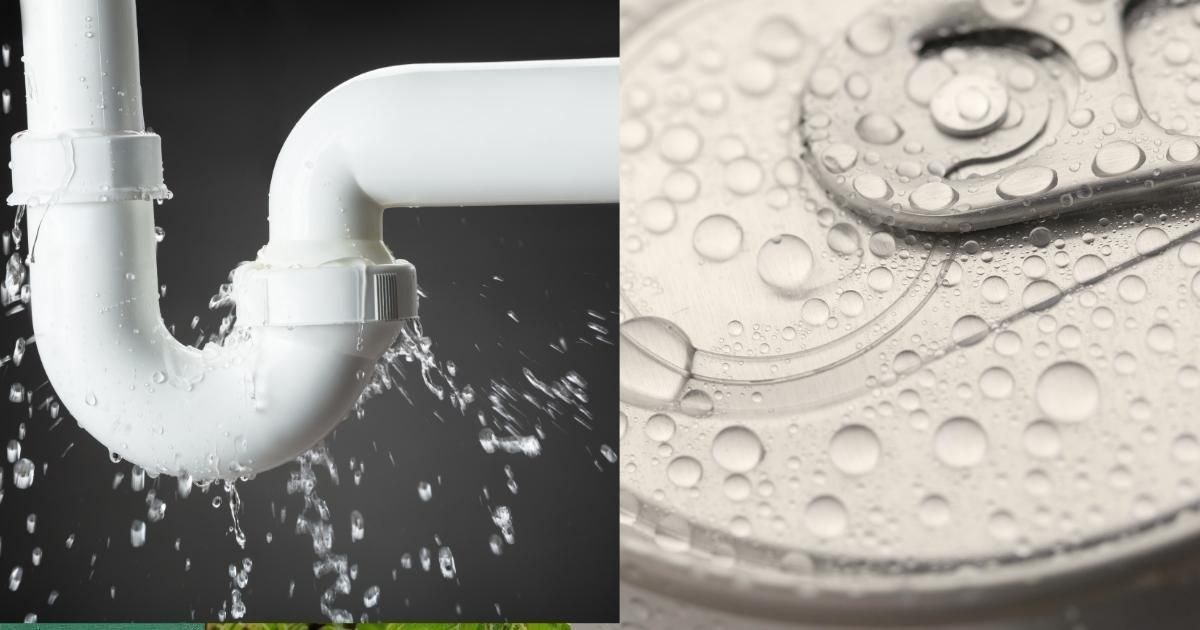
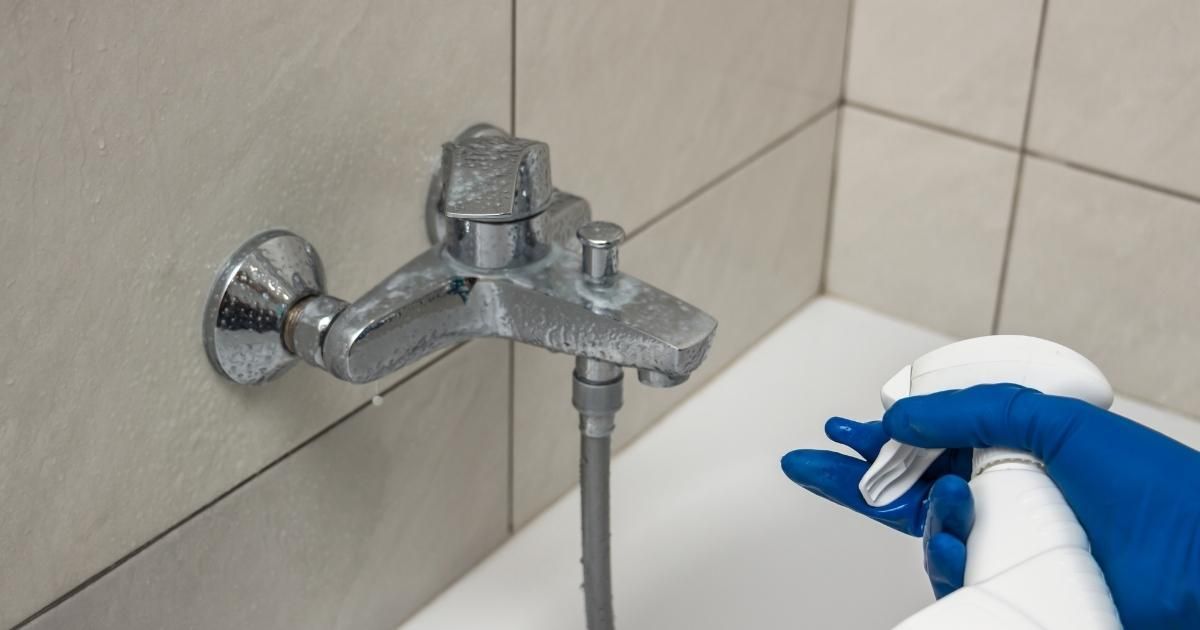
lines are buried underground which can diminish the obvious warning sign of leak detection, the rotten-egg smell. This is where visual clues come into play, if you recently experience an area of vegetation that seems to be struggling despite proper care, especially if the damage seems to go in a line or is near areas you know utility lines run under, the lack of oxygen in the soil caused by a gas leak might be the culprit. Bubbling water in areas of standing water, puddles, small ponds etc. can be caused by gas escaping from underground lines. You can test this theory by mixing a small amount of liquid dish soap into water and pouring it into standing water to see if bubbles form. You can also pour this solution into a spray bottle to spray on exposed pipes and fittings to see if bubbles form, a tell-tale visual sign you have a leak. Any indication you have a gas leak should be followed up with safety precautions and prompt attention by officials or your gas provider.
Physical Symptoms – Dizziness, Headaches & Nausea
If you live near lakes or reservoirs which can give off the rotten-egg smell naturally and other signs aren’t evident making physical symptoms the first sign of a natural gas leak. The physical symptoms of prolonged exposure to gas leaks compound the longer the exposure goes on making early detection vital. Prolonged exposure to gas leaks can lead to dizziness, headaches, nausea, and in severe cases, permanent damage or death as a result. Safeguard your health and safety by using carbon monoxide detectors to get early warning of a potentially dangerous situation.
If anyone in your household starts to feel unwell and you suspect a leak, don’t hesitate to evacuate the area and seek professional help.
What to Do If You Detect a Gas Leak?
If you suspect a gas leak, evacuate the building or vicinity immediately. Do not turn any electrical switches on or off; avoid anything that can cause a spark or ignite an open flame. Natural gas is flammable so an electrical spark or flame could cause catastrophic damage to person and property. Once you have gotten out of the area, immediately contact your local emergency number and your utility provider or a licensed gas fitter and let the professionals safely handle the situation.
Water heaters can be electric or gas powered, learn how to handle either if you have a broken water heater.
Stay Alert & Stay Safe
Early gas
leak detection
can save lives and prevent serious accidents. Regular maintenance of your gas appliances allows you to inspect them for signs of wear and tear or damage. Gas safety is most successful when it’s rather than reactive so install carbon monoxide detectors through your home, garage and any indoor space that natural gas is piped. If you suspect a gas leak at any time, don’t take chances—contact Moe’s Plumbing Repair
immediately for professional help.