Drain Cleaning and Other Methods to Prevent a Clogged Drain
No one thinks about drain cleaning until it’s too late, but Moe’s Plumbing wants to help you avoid those headaches! Read on for information about how to prevent clogged drains. We cover what you shouldn’t put down your drain, tips for maintaining clean drains, and signs you may need a drain cleaning company, such as Moe’s Plumbing, to clear an already clogged drain.
Stop Drain Clogs Early
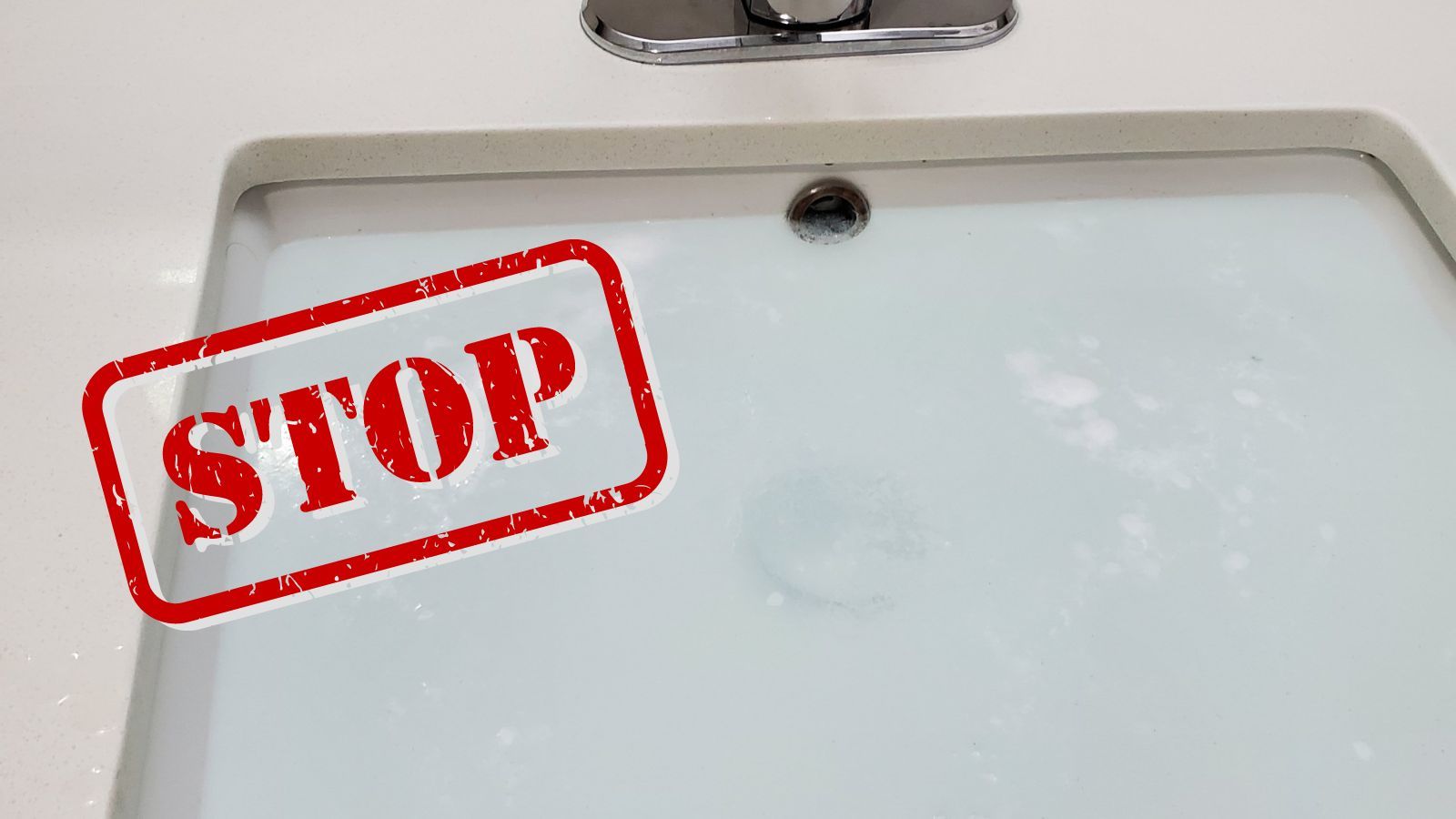
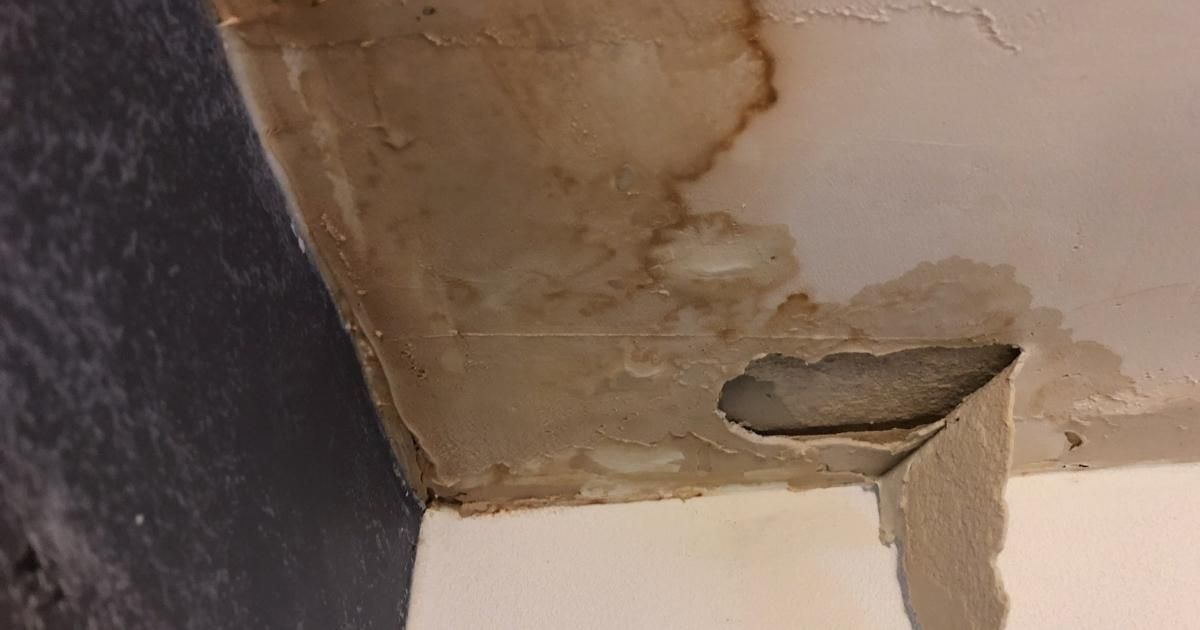
Drains and the pipes leading away from them are often overlooked until a problem arises. Clogged drains overflow, letting water, and water can significantly damage your items and even damage the structural integrity. Clogged drains can also create a haven for mold and mildew to grow and invite other unwanted guests, such as bugs and rodents.
But with forethought and a few expert tips from a trusted drain cleaning company such as Moe’s Plumbing, we can save you time, money, and stress with some important tips to prevent clogged drains and know when to seek professional help from a drain cleaning company.
Say No to Grease in Your Sink
Grease is usually intended to keep things FROM sticking, but in your drain, grease, and cooking oils act like glue, attaching themselves to any solids and the walls of your drains to create difficult-to-dislodge clogs and a lot of mess. There are several ways to approach cooking grease and oil.
Here are a few suggestions for dealing with cooking oil and grease:
Empty Cans, Glass Jars & Zip Top Bags: Jars with screw-on lids help dispose of grease with a one-two punch! Most residential recycling services do not accept glass, and using these jars to hold your cooking oil or grease for disposal fills that empty space while keeping the grease far from your drains. Another option is empty food cans, just pour the grease in and let it cool to a solidified state to avoid leaking grease, or seal it in zip-top bags.
Not too long ago, reserving cooking grease or oil for reuse was a common cost-saving habit. Great grandmothers used it to grease casserole dishes, make salad dressings, and more.
How do you save and store grease? Let the oil or grease cool in the pan until it’s closer to room temperature and won’t burn you on contact, then strain it using a cloth or one of the many grease containers available in various colors and themes. You should keep fats used for different meats separate (Bacon, beef, fish.) to reduce any risk of cross-contamination and store your grease containers in a cool spot when not in use.
Learn What You Can/Cannot Use in Your Garbage Disposal
Using these basic guidelines, you can keep your kitchen drain clean and unclogged for longer and keep your garbage disposal operating at its best. You can use your garbage disposal to dispose of biodegradable food waste, such as vegetable peels, fruit scraps, and small bits of leftover cooked food.
There are certain items that you should never put in your garbage disposal. Some seem obvious, like bones, fruit pits, or shells, and can damage the blades and motor, leading to potential breakdowns or clogs. Less obvious ones include coffee grounds, pasta, rice, and other starchy foods that can congeal into cement-like plugs in your pipes, and fibrous materials like corn husks, celery stalks, or onion skins can get tangled in the blades, causing blockages.
Remember, it's always better to err on caution and dispose of questionable items in your regular trash instead of risking damage to your garbage disposal. When using your garbage disposal, do so with the faucet running cold water throughout and for a minute after to help flush any lingering bits out. Follow this with some hot water.
Natural Ways to Clean Your Drains: Vinegar, Hot Water, and Baking Soda
Keeping your drains clean is essential to prevent blocked drains and maintain a healthy plumbing system. Unfortunately, many commercial cleansers you can buy contain ingredients that can harm you and your household before they even reach your pipes and into our water system. These harsh cleansers can damage or corrode your pipes which can do even MORE damage rather than solve the problem. One effective and eco-friendly method for drain cleaning involves using vinegar and hot water.
White vinegar is a cheap and powerful tool to keep you from clogged drains, and you probably already have it in your pantry! Acetic acid acts as a solvent to dislodge any build-up of organic material, such as food particles.
To avoid clogged drains, you can regularly clean your drains with vinegar and hot water; follow these simple steps:
Start by pouring several cups of hot or boiling water down the drain. The hot water helps loosen any debris or grease buildup. Follow it with a cup of white vinegar and let it sit for 30 minutes to let it do its work before rinsing the pipes with another round of very hot water.
Another great option is baking soda, which you probably have hanging out in your pantry or fridge! Baking soda has a gritty texture, making it a useful tool to ‘scrub’ your drains and pipes when used regularly, with the added bonus of absorbing odors. We recommend sprinkling a few tablespoons in your kitchen sink or garbage disposal and letting it sit before rinsing thoroughly with hot water once or twice a week.
If you think you may have a drain clog starting to form, baking soda and white vinegar can be used in tandem to clear a blocked drain if it’s not too solidified by creating a foaming action when the baking soda and vinegar interact. It’s also a great preventative method to do a ‘deep clean’ on your drains periodically and avoid the buildup that can cause a clogged drain.
- Pour half a cup of baking soda down the drain. Let it sit for a few minutes to neutralize odors and absorb any remaining residue.
- Next, pour one cup of white vinegar down the drain. The vinegar will react with the baking soda, creating a foaming action that helps dislodge any grime or buildup on the pipe walls.
- Cover the drain opening with a plug or cloth to trap the foaming action inside the drain. Leave it undisturbed for about 15 minutes to allow the vinegar and baking soda mixture to work magic.
- Finally, remove the cover and flush the drain with hot water. This step helps rinse away any remaining debris and ensures thorough cleaning.
Preventing a Sewer Line Clog
A clogged sink or tub is a hassle, but a sewer line clog is far more annoying. In addition to being costly, sewer line repairs pose many health risks, damage to items and buildings, and require a lot of professional cleaning. Sewer line clogs accumulate various substances, including grease, hair, soap scum, and non-flushable items. As these materials build up within the pipes, they can eventually lead to a complete blockage, causing sewage backups and potential damage to your home.
By being mindful of what goes down your drains, you can significantly reduce the risk of sewer line clogs. Prevention is always better than the costly alternative of dealing with sewer line repairs. By taking a few simple precautions and investing in regular maintenance, you can keep your sewer lines flowing smoothly and avoid unnecessary expenses.
Don't Flush Away These Items!
Even items marked as ‘flushable’ should be disposed of as solid refuse in trash cans etc. items including:
• Face Masks
• Paper Towels/Rags
• Disinfecting wipes/Baby Wipes
• Disposable Products/ Wipes
• Q-Tips, Cotton Pads, Cotton Balls
• Feminine Hygiene Products
• Animal Litter/ Animal Waste
• Bandages
• Dental Floss
• Cigarettes
Other things that are not recommended include medications and harsh cleaners that may be marked ‘disposable’ but pollute the environment and our water supply.
Why You May Need a Drain Cleaning Company
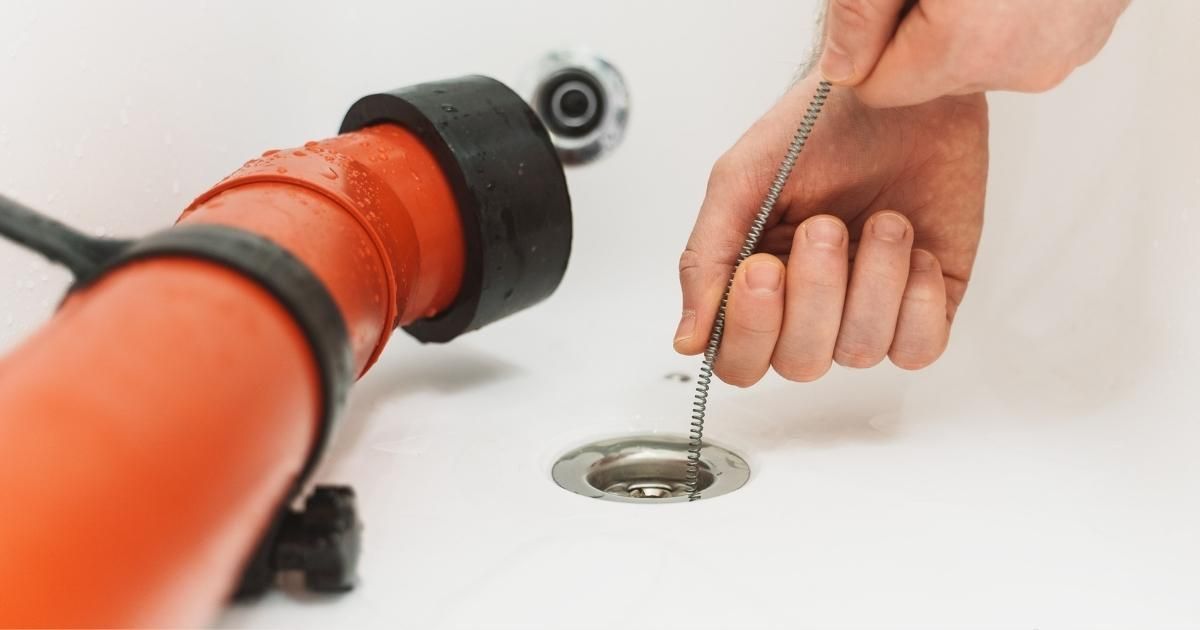
We’ve discussed many options for preventing clogged drains, including regular cleaning, but there are times when the expertise of a professional drain cleaning company becomes necessary. Here are a few signs that indicate your drain is too clogged for DIY solutions:
Multiple drains are slow or clogged: If several drains in your home are experiencing issues simultaneously, it could indicate a more extensive clog deep within the plumbing system. Professional drain cleaners have the tools and knowledge to effectively locate and remove such clogs.
Recurring clogs: If you are dealing with frequent clogs, despite your best efforts to clear them, it might be a sign of a larger underlying issue. A plumber can perform a thorough inspection to identify the cause and provide a long-term solution.
Unpleasant odors: Persistent foul smells from your drains can indicate buildup or trapped debris. Professionals can address the issue at its source and eliminate the unpleasant odors.
Slow drainage accompanied by gurgling sounds: When you notice slow drainage and hear gurgling noises from your pipes, it could indicate a clog further down the line. A plumbing company can determine the cause of the blockage and clear it effectively.
Attempting to tackle severe clogs without the proper tools or expertise can lead to further damage or incomplete obstruction removal. Hiring a professional drain cleaning company ensures that the clog is dealt with effectively, minimizing the risk of future problems and maintaining the integrity of your plumbing system.
Don't let a clogged drain ruin your day.
At Moe's Plumbing and Repair, we prioritize customer satisfaction and provide reliable, efficient, and affordable drain cleaning services. We understand how much frustration comes with a blocked drain, so we strive to respond promptly and deliver high-quality results.
Have a Blocked Drain? Call Moe's Plumbing and Repair!
If you're experiencing a blocked drain and need expert assistance, look no further than Moe's Plumbing and Repair. Our experienced team of professionals specializes in drain cleaning services, and we are here to help you get your drains flowing freely again.
Whether it's a kitchen sink, bathroom drain, or sewer line clog, we have the solutions to get your plumbing back in working order.
Contact Moe's Plumbing and Repair today to schedule a drain cleaning appointment, or visit our website to learn more about our services. Let our drain cleaning services work so you can enjoy a smoothly flowing plumbing system again.